Arch Capital's Buyback Machine Is Eating 87% of Its Profits — And Somehow That's the Bull Case
 kev_larFounder & Lead Developer
⚠️ Not financial advice. This post is for informational and educational purposes only. Forecasts and commentary are model outputs and opinions, may be inaccurate, and are not a recommendation to buy or sell any security or asset. Do your own research. AI-assisted: this article was drafted with AI and reviewed by a human before publishing.
 # Arch Capital's Buyback Machine Is Eating 87% of Its Profits — And Somehow That's the Bull Case
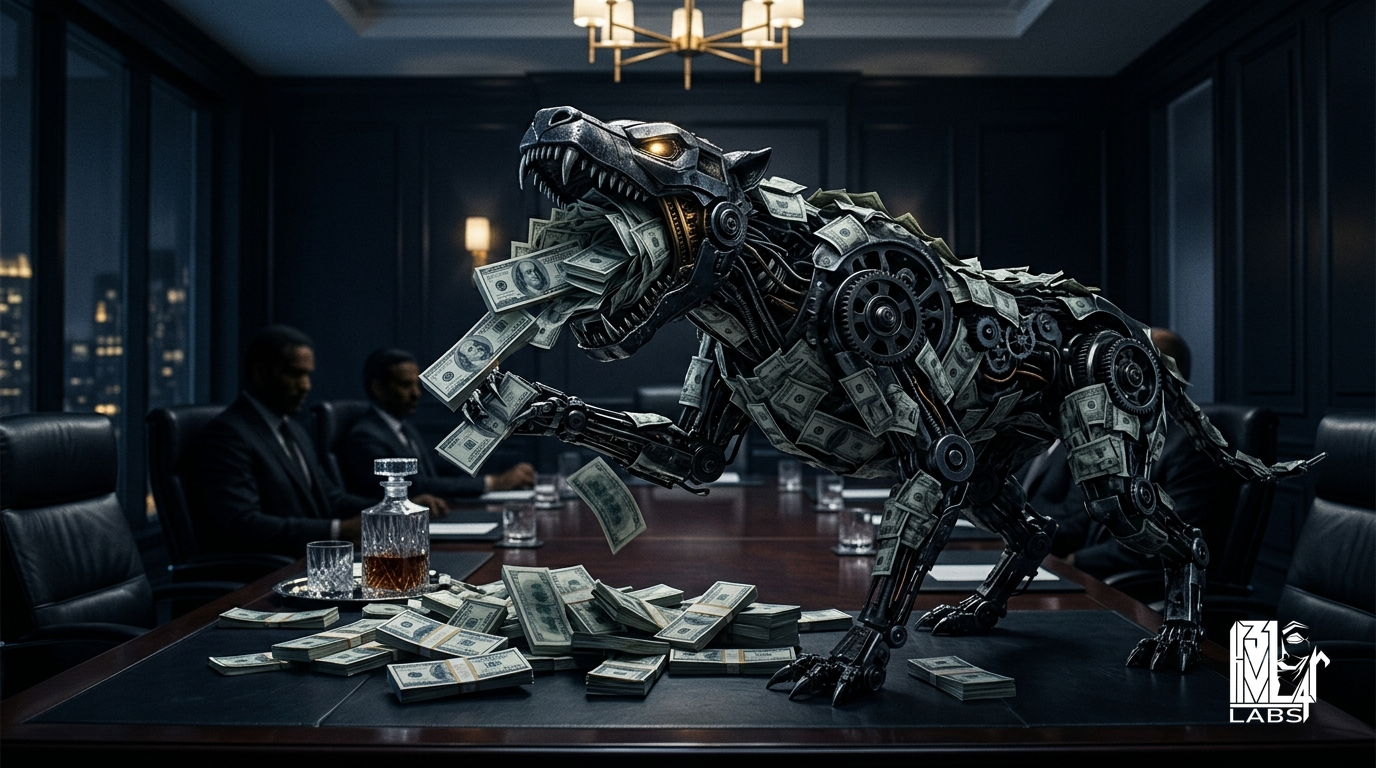
Here's a sentence that should make every insurance CFO in America blush: Arch Capital just spent 87% of its operating income buying back its own stock in a single quarter. Not 70%, which was already aggressive. Eighty-seven. That's not capital allocation, that's a company sprinting toward its own shares like it's the last helicopter out of Saigon.
And yet — here's the annoying part — the numbers back it up.
Arch Capital (ACGL) put out Q2 2026 earnings on July 28 that did exactly what you want a specialty insurer to do in a softening market: it kept its head down and underwrote profitably while everyone else was busy discounting risk to keep the lights on. After-tax operating income of $893 million, $2.56 a share, and a combined ratio of 83.5% — that's better than last year's 80.9%, which is the kind of improvement that's supposed to be impossible when pricing is going the wrong direction. Book value per share climbed to $68.04, up 2.8% in a single quarter. That's not a company limping through a cycle. That's a company that built its entire cultural identity around "cycle management" and is now getting to prove it wasn't just a slide in the investor deck.
The buyback binge is the real story here.
Arch already had a $6 billion repurchase authorization after tacking on $3 billion back in April. Then it turned around and burned $1.2 billion of it in Q2 alone. Management's message is unambiguous: we would rather own more of ourselves than sit on excess capital waiting for a better entry point. In a business where float and balance sheet strength are the whole game, that's a statement of conviction — either Arch thinks its stock is cheap relative to where underwriting margins are heading, or it simply has nowhere better to put the money in a market that's getting more competitive by the renewal cycle. Probably both.
But let's not pretend the tailwinds are permanent.
The bear case isn't hypothetical — it's sitting right there in the same earnings call. Reinsurance net premiums written were already down 6% year-over-year as clients retained more risk and pricing softened. Property and short-tail lines are seeing "mid-teens rate reductions" at renewal, according to management's own commentary, which is corporate-speak for "our pricing power is eroding and we're choosing our words carefully about it." Add in catastrophe exposure tied to the Iran conflict and the usual seasonal storm risk, and you've got a company that's out-executing a market that's actively trying to make that harder every quarter.
This is the tension that matters: Arch is winning right now specifically because discipline is scarce. Combined ratio improving while peers are cutting rate is a genuine competitive edge. But that edge only pays off if management doesn't get greedy chasing volume as the softening accelerates — and if a bad hurricane season or a nastier-than-expected geopolitical catastrophe doesn't show up and eat a chunk of that hard-won book value growth.
Technically, the stock is taking a breather that looks more like a pause than a reversal. Shares pulled back from a $107 high to around $100.53, sitting comfortably above the 50-day moving average (+4.18%) even as the 20-day has slipped negative. Support sits near $92.93, with a breakout above $107 opening the door toward $111 and beyond — which lines up with Wall Street's own recalibration: RBC bumped its target to $120, Wells Fargo to $117. Analysts are leaning into the same story the buybacks are telling.
The verdict: ACGL isn't a "growth" story anymore — premium volume deceleration makes that obvious. It's a margin-and-capital-return story, and right now it's executing that story about as well as an insurer can. The risk isn't that the thesis is wrong; it's that the market is pricing in continued perfection from a management team that's already spending nearly nine-tenths of its profits just to keep its own stock count shrinking. That's a high bar to keep clearing.
If you're long, you're betting cycle management beats cycle pressure. History says Arch has earned the benefit of the doubt. Just don't confuse a buyback this aggressive with a company that has nothing left to worry about — it's usually the opposite.
More on ACGL
Market commentary from the K3vl4r desk — not personalized investment advice. More posts →